How to run a solo sentinel base next to Oil Rig in Rust and hold it against groups
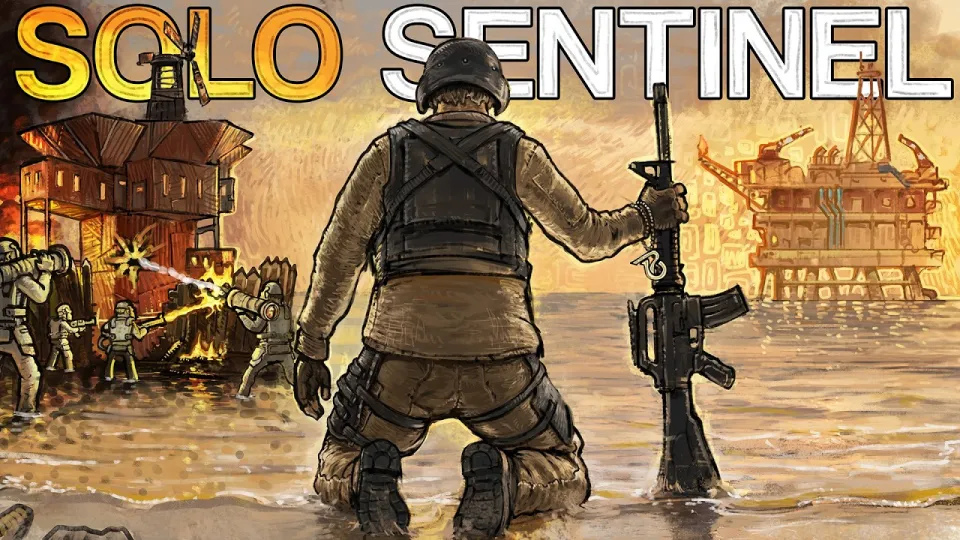
Video: The Solo Sentinel - Rust
Want articles like this for your own video to promote it on YouTube and Google? Order them through the Telegram bot @sat_sit_bot. It writes articles around your video, embeds the video and publishes them on popular niche websites (no ads). Try it free: 50 articles on us.
Key takeaways
- A sentinel base sits close enough to Oil Rig to contest every crate, elite and dive, so the solo controls the monument instead of commuting to it.
- Defence is layered: external turrets cover the water approach, sealed interior rooms stop splash damage, and multiple loot stashes prevent a single raid from ending the wipe.
- Solo play turns every decision into a monologue to the viewer, which is why solo Rust videos carry more narrative than fast team progression.
- Counter-raids on a sentinel base usually arrive as rockets from small groups, often late at night, so the design must survive a partial breach.
- Blooprint's July 2026 solo film The Solo Sentinel documents a wipe built entirely around holding ground next to Oil Rig.
Rust solo survival works best when you stop treating the map as a shopping list and start treating one monument as your territory. Build a compact, heavily defended sentinel base within sight of Oil Rig, keep the loot split across sealed rooms, and defend from the water side with turrets and a secondary flank; that is how a single player holds ground against groups. Blooprint's solo film The Solo Sentinel is built entirely around that idea, and the same approach is available to anyone who wants to watch the live version of it on Blooprint's Twitch channel.
What makes a sentinel base different from a normal solo base
A sentinel base is a forward operating position rather than a home; its value comes from proximity to a contested monument, not from comfort. Oil Rig in Rust is a multi-level offshore monument with scientists, locked crates, elite crates and heavy traffic from small groups, so the player who lives next to it gets first pick of the spawns, sees every boat that approaches and can contest dives without a long commute. The cost is equally clear: you are the closest target on the server, and everyone who wants Oil Rig loot has to deal with you first.
The practical difference is in how you spend the wipe. A normal solo base grows outward — more furnaces, more boxes, a bigger compound. A sentinel base grows inward: more layers between the outside and the loot, more redundancy, fewer windows. Every wall you add is a wall a raider has to pay for, and because the base is small, that cost stacks quickly.
How to place and build the base
Placement decides more of the outcome than any single fight, because a bad footprint cannot be saved by good aim. Work through these steps in order:
- Pick a shoreline or island spot with a clear line of sight to the Oil Rig approach lanes, so you see boats before they see your doors.
- Keep the footprint small — a 2x2 or 2x1 core with a honeycomb ring is enough for a solo and cheap to upgrade to sheet metal and armored.
- Put the tool cupboard in the most protected interior cell, not against an outer wall, and seal it behind at least two doors.
- Build upward rather than outward for your shooting positions: a roof or upper floor window gives angles on the water without exposing the core.
- Leave a small, deliberately weak-looking entrance that funnels raiders into the turret coverage instead of the loot rooms.
A common piece of community advice that applies directly here is to seal every room, not just the loot room. Splash damage from rockets and C4 punishes open floor plans, and a sealed room buys you the seconds needed to respawn and re-engage.
Defending against groups, rockets and late-night raids
Defence is a routine, not an event; the solo who wins is the one who has already decided what to do before the first rocket lands. Exterior turrets aimed at the water and the land approach do most of the early work, and they should be placed so they cannot all be destroyed from one angle. Keep a secondary stash — a small hidden box, a sleeping bag in a bush, a boat with fuel — so a breach is a setback rather than the end of the wipe.
When a raid does start, the correct response is usually not to fight in the open. Fall back to a sealed room, listen for the direction of the breaching, and use the fact that raiders must commit explosives to a specific wall. Small groups often raid late at night before logging off, which means they are on a timer and you are not; dragging the fight out is a win condition. If the base falls, the counter-raid is a fresh start from the secondary stash rather than a surrender.
The solo mindset and why it makes better viewing
Solo Rust is a narration game as much as a shooting game, because every decision has to be justified out loud to nobody in particular. That is exactly why solo content resonates: the viewer hears the reasoning behind a rotate, a craft or a base upgrade, and the struggle of progressing alone is more relatable than a group snowballing to tier three in twenty minutes. There is no team comms to hide behind, so personality carries the video.
In practice the mindset comes down to a few habits. Farm in short, safe bursts instead of long greedy runs. Treat every encounter as optional unless the loot justifies the risk. Upgrade the base before you upgrade your kit, because gear is lost and walls are not. And accept that losing a fight is part of the format — the sentinel who rebuilds is the one still on the server a week later.
Typical questions from solo players
Experienced solos keep returning to the same doubts when they try a monument-adjacent base. The most common is whether the proximity is worth the pressure: for Oil Rig specifically, yes, because the monument's crates and dives are dense enough that even a partial claim pays for the base. The second is whether turrets are worth the upkeep — they are, because they convert a solo's limited attention into permanent coverage. The third is what to do when a group simply outnumbers you; the answer is to make the raid expensive and the loot redundant, not to win the firefight.
Where to follow Blooprint and the rest of the channels
All of Blooprint's platforms are listed here so you can pick the format you prefer, from live wipes to short clips. The main hub is the Twitch channel, where the full solo progression happens in real time.
- Twitch: https://www.twitch.tv/blooprint
- Kick: https://kick.com/blooprint
- TikTok: https://www.tiktok.com/@blooprintgames
- Twitter: https://twitter.com/blooprintgames
- Discord: https://discord.gg/blooprint
Summary
The Solo Sentinel is a case study in holding ground rather than chasing loot: a small, sealed, turret-covered base next to Oil Rig turns a lone player into a permanent obstacle for every group on the server. The build order matters more than the aim — sightlines first, sealed rooms second, redundancy third — and the mindset matters more than both. Blooprint's breakdown of the wipe shows how far a solo can push that idea before the server pushes back, and the full run is worth watching for the defence alone. If you want to see the next one live, join Blooprint on Twitch.
Source: The Solo Sentinel - Rust · Markdown version
Questions & answers
Is a base next to Oil Rig actually viable for a solo player?
Yes, if the base is small and layered rather than large and comfortable. Proximity gives you first access to crates and dives and lets you see approaching boats early. The trade-off is constant attention, so the design has to survive a partial breach without losing everything.
How many turrets does a solo sentinel base need?
Two to four exterior turrets are usually enough to cover the water approach and the main land route, provided they are placed so a single rocket cannot remove all of them. Turrets are there to buy time and warn you, not to win the raid alone.
What should I do when a group starts rocketing my base?
Fall back into a sealed room, avoid fighting in the open, and let the raiders commit explosives to specific walls. Small groups often raid late and are on a timer, so dragging the fight out works in your favour. Keep a hidden secondary stash so a breach is not the end of the wipe.
Why do solo Rust videos feel more engaging than group content?
Because the creator has to explain every decision out loud, so the viewer follows the reasoning behind rotations, crafts and upgrades. Group videos often skip that in favour of fast progression and team comms. Solo play also makes the setbacks relatable, which is what keeps people watching.